
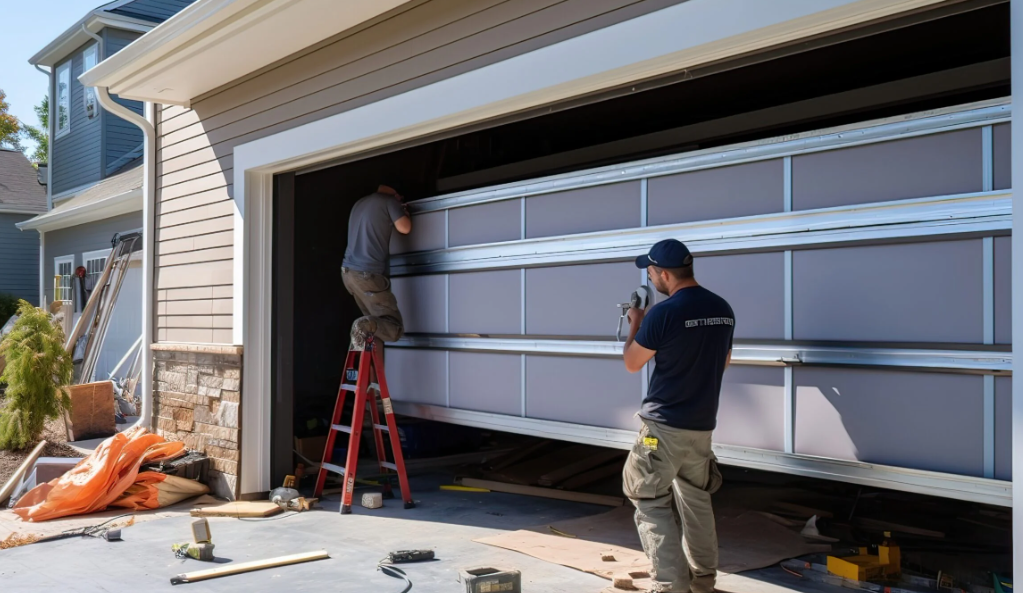
Living in Edmonton means dealing with very cold winters and warm summers. Temperatures can drop below -30°C and then rise quickly during Chinooks. These fast changes can be hard on your garage door. Many homeowners do not realize how much weather can affect springs, seals, and moving parts. Over time, this can lead to damage, noise, or even a broken door. Understanding these changes helps you prevent costly problems and keep your garage door working safely. If you want to avoid sudden breakdowns, it is important to learn how the weather impacts your system and when to consider Garage Door Repair in Edmonton
How Extreme Cold Affects Metal Parts and Springs
Cold weather is one of the biggest challenges for garage doors in Edmonton.
Metal contracts in cold temperatures
When it gets very cold:
- Metal parts shrink slightly
- Tracks may tighten
- Rollers may not move smoothly
This can make your garage door feel stiff or slow.
Springs become brittle
Garage door springs do most of the heavy lifting. In extreme cold:
- Springs lose flexibility
- They become more likely to snap
- Older springs are at higher risk
Many local technicians in Edmonton recommend high-cycle springs. These are built to handle more open and close cycles and perform better in cold climates.
Lubrication thickens
Standard grease does not work well in freezing weather:
- It becomes thick
- Moving parts slow down
- Extra strain is placed on the opener
Using a winter-rated lubricant can help reduce this stress.
The Impact of Humidity and Temperature Swings
Edmonton weather is not just cold. It also changes quickly. Chinooks can raise temperatures quickly, causing expansion and contraction.
Wooden garage doors can warp
If your garage door is made of wood:
- Moisture from snow and ice gets absorbed
- Rapid warming causes expansion
- This can lead to warping or cracking
Warped doors may not close properly, letting in cold air.
Weather stripping wears out faster
Weather stripping is the rubber seal around your door. It helps keep cold air and moisture out.
With temperature swings:
- It expands and contracts often
- It becomes brittle over time
- Cracks and gaps may form
This allows cold air, water, and even pests to enter your garage.
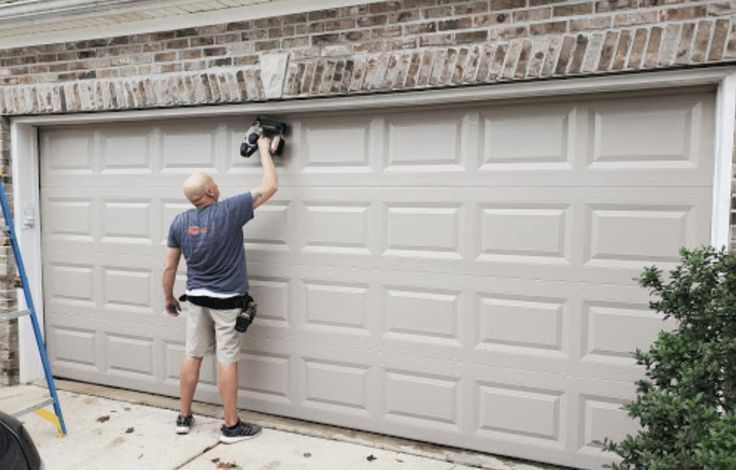
Common Winter Garage Door Problems
Winter in Edmonton brings some very specific issues that homeowners see every year.
Frozen bottom seals
This is one of the most common problems:
- Snow melts during the day
- Water collects under the door
- At night, it freezes
Your door can get stuck to the ground. Forcing it open can damage the opener or panels.
Ice buildup in tracks
Ice can form inside the tracks:
- This blocks smooth movement
- The door may stop halfway
- It can strain the motor
Road salt damage
Edmonton roads use a lot of salt in winter. This salt can:
- Splash onto your garage door
- Cause rust on metal parts
- Wear down the finish over time
Regular cleaning can help prevent this damage.
Summer Maintenance Tips for Heat Expansion
Warm weather also affects your garage door, just in different ways.
Materials expand in heat
In summer:
- Metal parts expand
- Tracks may shift slightly
- Doors may become misaligned
This can cause rubbing or unusual noises.
Check for loose hardware
Expansion and contraction over time can loosen parts:
- Bolts and screws may shift
- Hinges may become loose
- The door may feel unstable
Tightening hardware helps keep everything secure.
Inspect weather seals
Heat can dry out rubber seals:
- Cracks may appear
- Gaps can let in dust and insects
Replacing worn seals improves insulation and comfort.
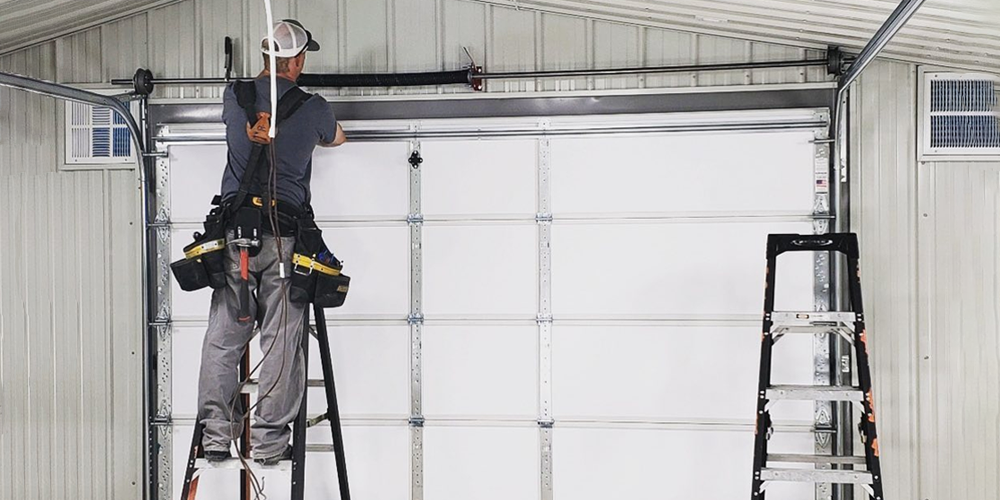
Expert Advice for Edmonton Homeowners
After years of working with garage doors in cold climates, here are some simple tips that really help.
Use the right lubricant
- Choose a silicone-based or winter-rated lubricant
- Avoid heavy grease in winter
- Apply it to springs, rollers, and hinges
Clean your door regularly
- Wash off road salt during winter
- Wipe down metal parts
- Keep tracks free of dirt and ice
Test your door balance
A balanced door works better and lasts longer:
- Disconnect the opener
- Lift the door halfway
- If it falls, the springs may need adjustment
Replace worn weather stripping
- Check for cracks or gaps
- Replace seals before winter starts
- This keeps heat inside and cold out
Upgrade to high-cycle springs
If you use your garage often:
- High-cycle springs last longer
- They perform better in cold weather
- They reduce the chance of sudden breakage
Schedule yearly inspections
A local professional can:
- Spot early signs of damage
- Adjust tension safely
- Prevent major repairs later
Frequently Asked Questions
Why does my garage door not open in winter?
This is often due to frozen seals, thick lubricant, or contracted metal parts. Cold weather makes movement harder for the system.
How can I stop my garage door from freezing shut?
- Clear snow from the base
- Apply a small amount of salt or sand
- Use a silicone spray on the bottom seal
Do garage door springs break more in cold weather?
Yes. Cold temperatures make springs brittle. This increases the risk of snapping, especially if they are old.
How often should I service my garage door in Edmonton?
At least once a year. It is best to check it before winter starts, when problems are easier to fix.
Conclusion
Edmonton’s weather can be very tough on garage doors. Extreme cold, quick temperature changes, and road salt all play a role in wear and damage. Small issues like frozen seals or thick grease can quickly turn into bigger problems if ignored. Regular maintenance and simple checks can help your garage door last longer and work safely all year. Taking care of your system now can save you time, money, and stress in the long run.